How to Make Your Portraits Feel Alive Without AI: In Camera Techniques for Depth, Framing, and Visual Rhythm
Expert Portrait Photography Techniques from an Oahu Portrait Photographer
Learn how to make your portraits look more dynamic using in camera techniques. This video covers foreground layering, framing, and visual rhythm to help you create depth and movement in portrait photography without relying on editing or AI tools.
Although AI tools can be entertaining and visually striking, they are not necessary to create portraits that feel alive, immersive, and engaging. The ability to produce dynamic imagery has always existed within the camera itself. It simply requires a deeper understanding of how to guide the viewer’s eye and create a sense of dimensionality within a two-dimensional frame.
If your portraits feel flat, the solution is not more editing or artificial enhancement. It is intention.
Here are three in-camera techniques that can transform your work into something that feels almost interactive.
Foreground Layering: Creating Depth Within the Frame
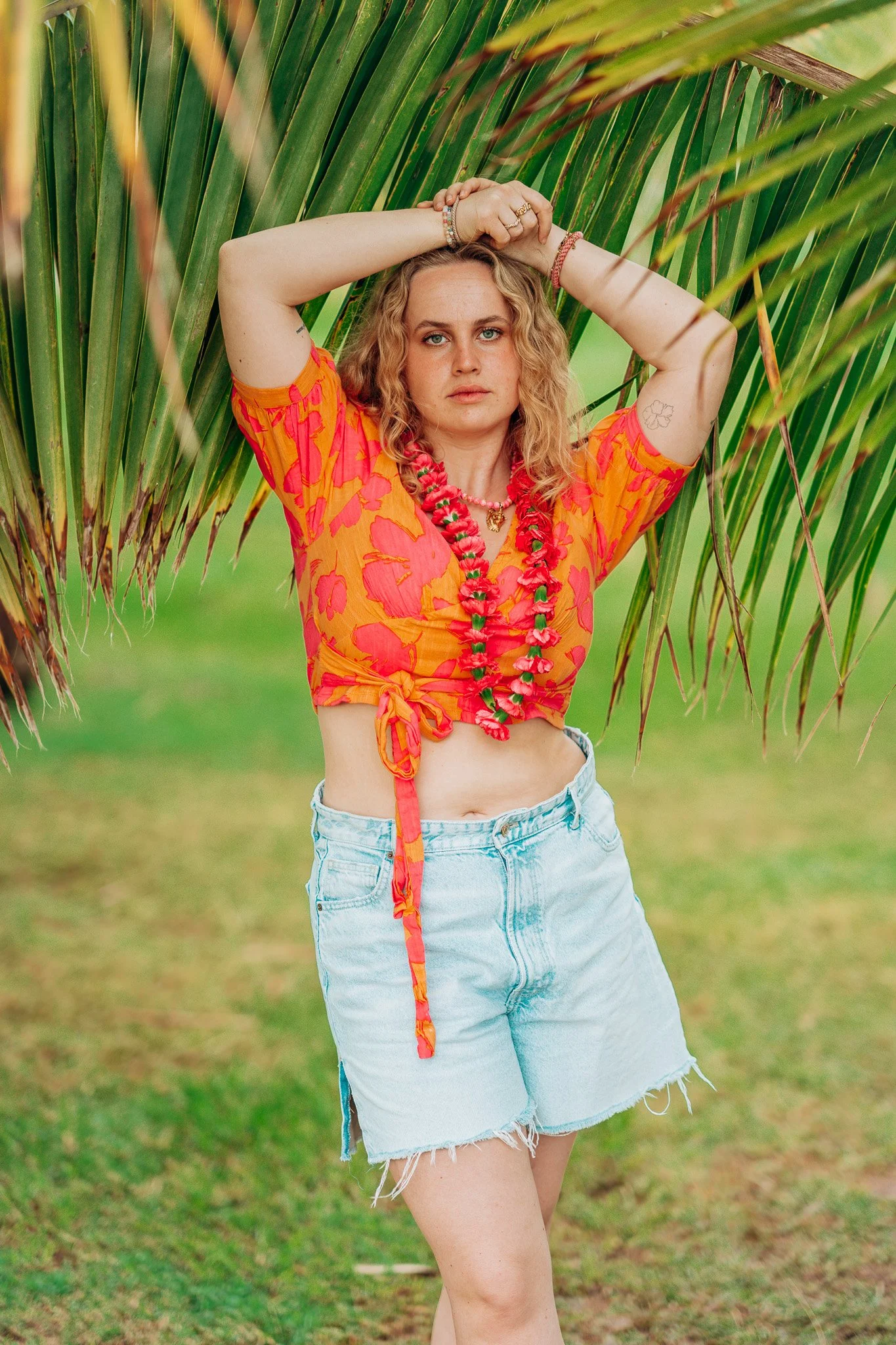
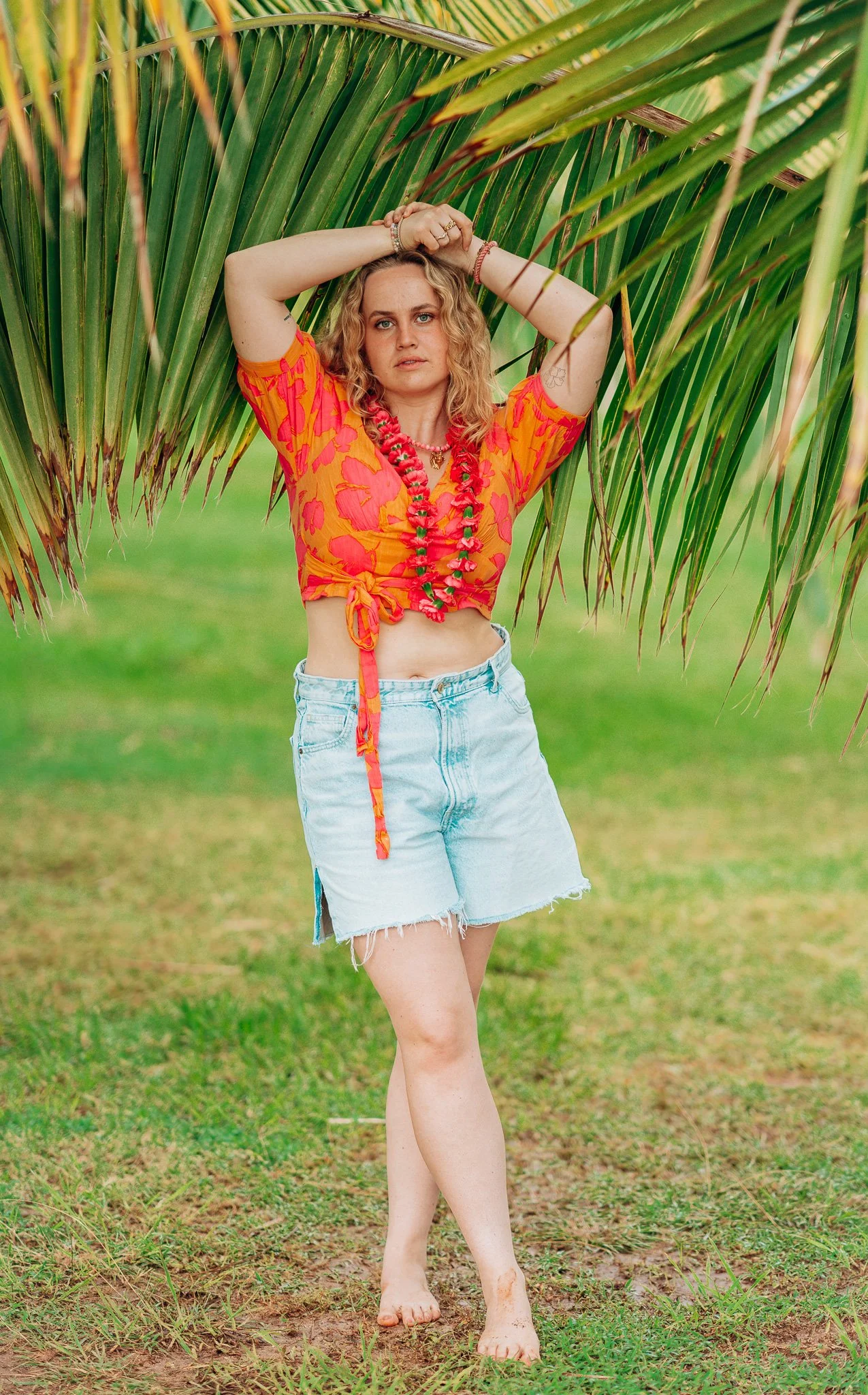
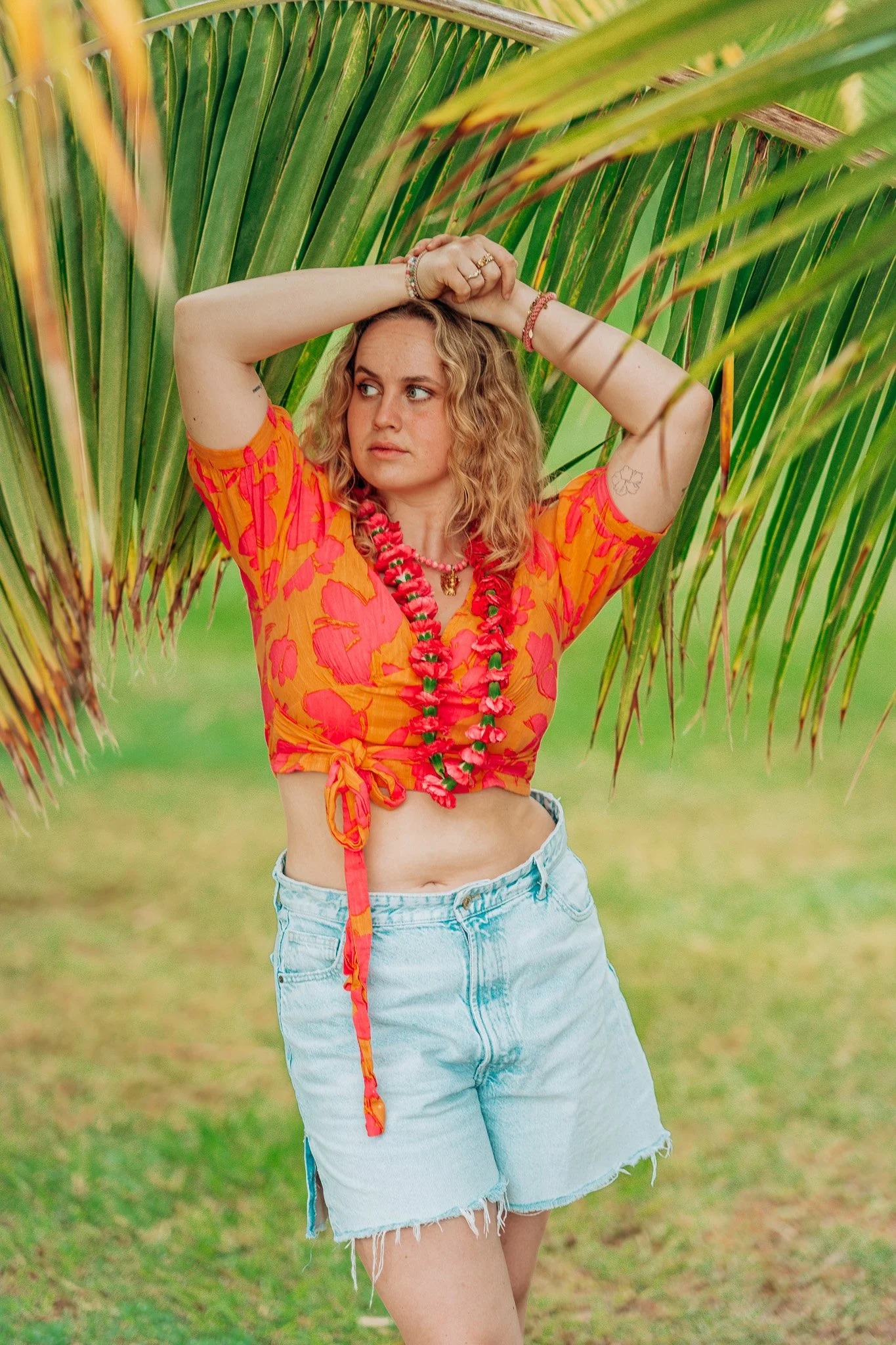
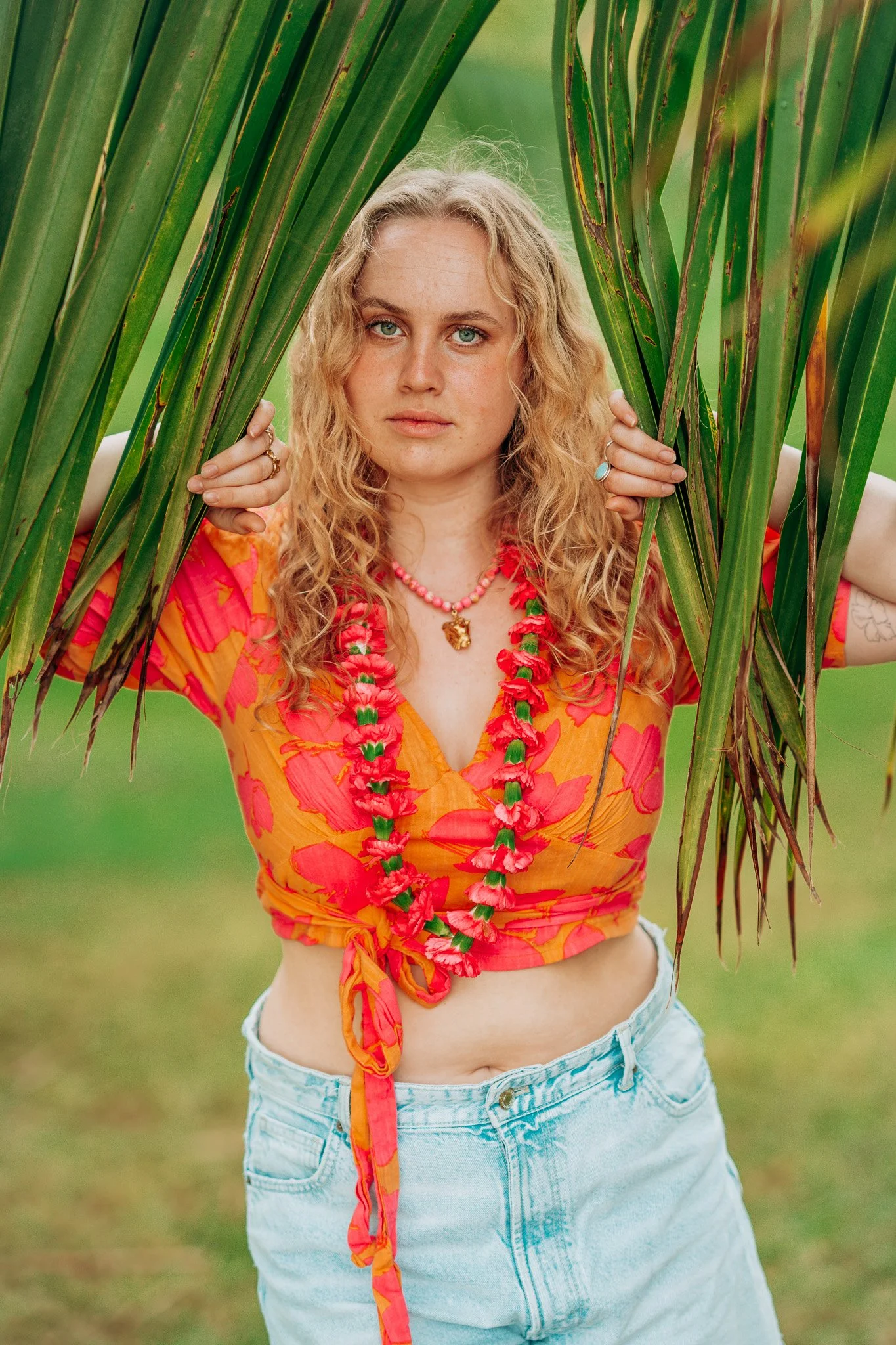
One of the most effective ways to create depth in portrait photography is through foreground layering. This technique involves placing an object between your lens and your subject.
This simple adjustment introduces a sense of three-dimensional space within a two -dimensional image. Instead of viewing the subject from a distance, the viewer feels as though they are stepping into the scene.
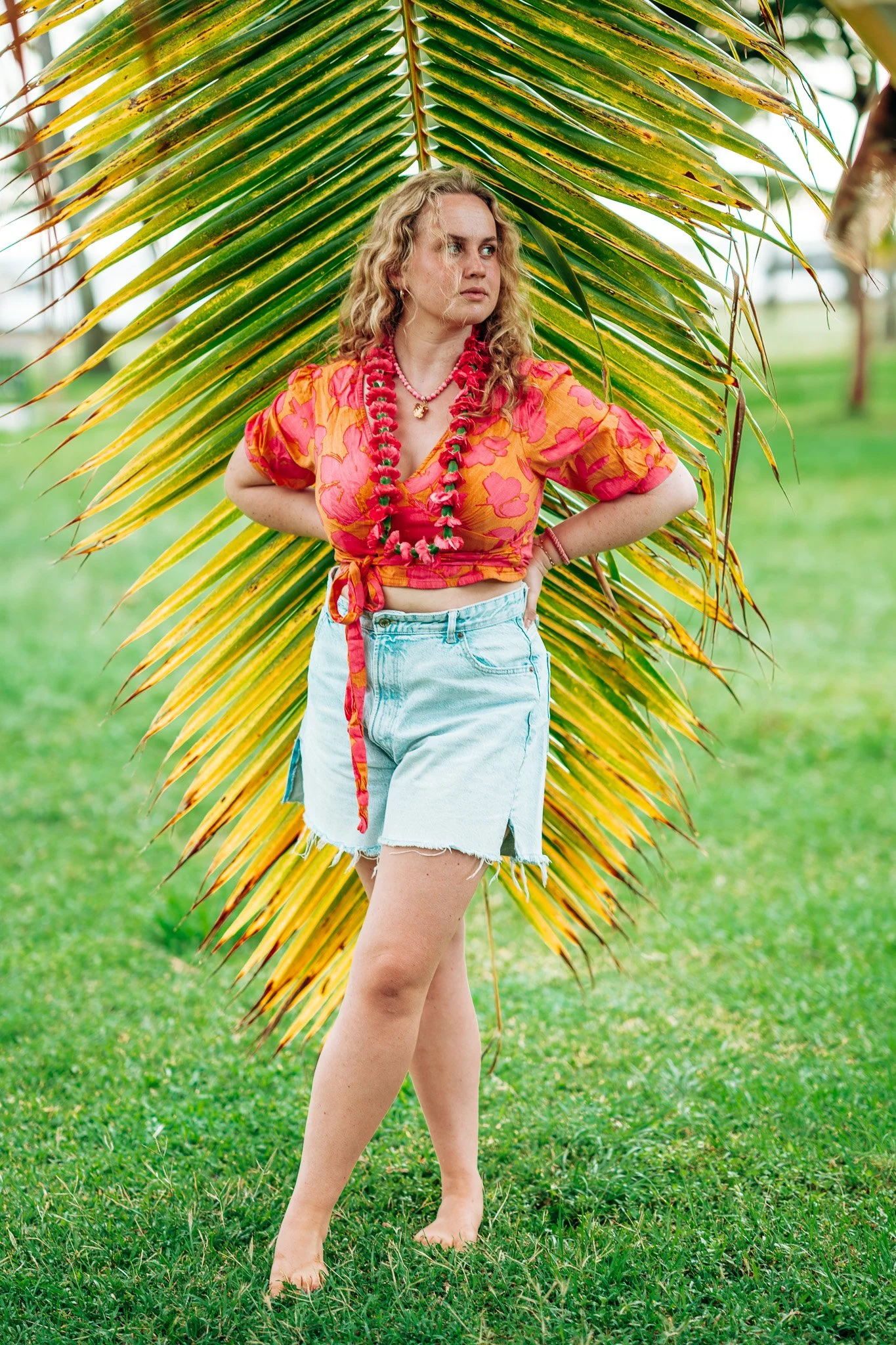
Foreground elements can be subtle. A blurred palm frond, a piece of fabric, or even a natural texture can act as a visual entry point. When used intentionally, this technique draws the viewer inward and creates a sense of intimacy and immersion that cannot easily be replicated through editing alone.
Framing: Designing a Visual Path for the Eye



Your camera sensor naturally creates a rectangular boundary, but you are not limited to that structure. You can build an internal frame within your image using elements from the environment.
Framing allows you to guide the viewer’s eye with precision while still leaving space for exploration. A strong portrait is not just about clarity. It is about direction.
By using organic shapes such as leaves, branches, architectural elements, or shadows, you create a visual container around your subject. This immediately establishes a focal point and reduces visual confusion.
The result is an image that feels both controlled and expansive. The viewer knows exactly where to look, but still has room to experience the photograph.
Visual Rhythm and Texture: Creating Energy and Movement
Once the viewer’s eye lands on the subject, what keeps them there is rhythm.
Patterns and repetition create a sense of movement and energy within a still image. For example, the repeating lines of a palm frond or the texture of layered natural elements can create a visual cadence that feels both satisfying and dynamic.
There is a psychological reason for this. The human brain is naturally drawn to repetition. It signals order, safety, and beauty. This is why images with strong visual rhythm often feel more compelling and memorable.
Tactile Mapping: Making an Image Feel Touchable
Beyond what we see, there is also what we feel.
Tactile mapping is the phenomenon where the brain interprets texture visually and translates it into a sensory experience. A photograph with rich texture can feel almost tangible, as if you could reach into the frame and touch it.
This is what creates that addictive quality in certain images. The viewer is not just observing the photograph. They are experiencing it.
By incorporating texture, layering, and repetition, you create portraits that engage multiple senses, even within a still image.
Final Thoughts
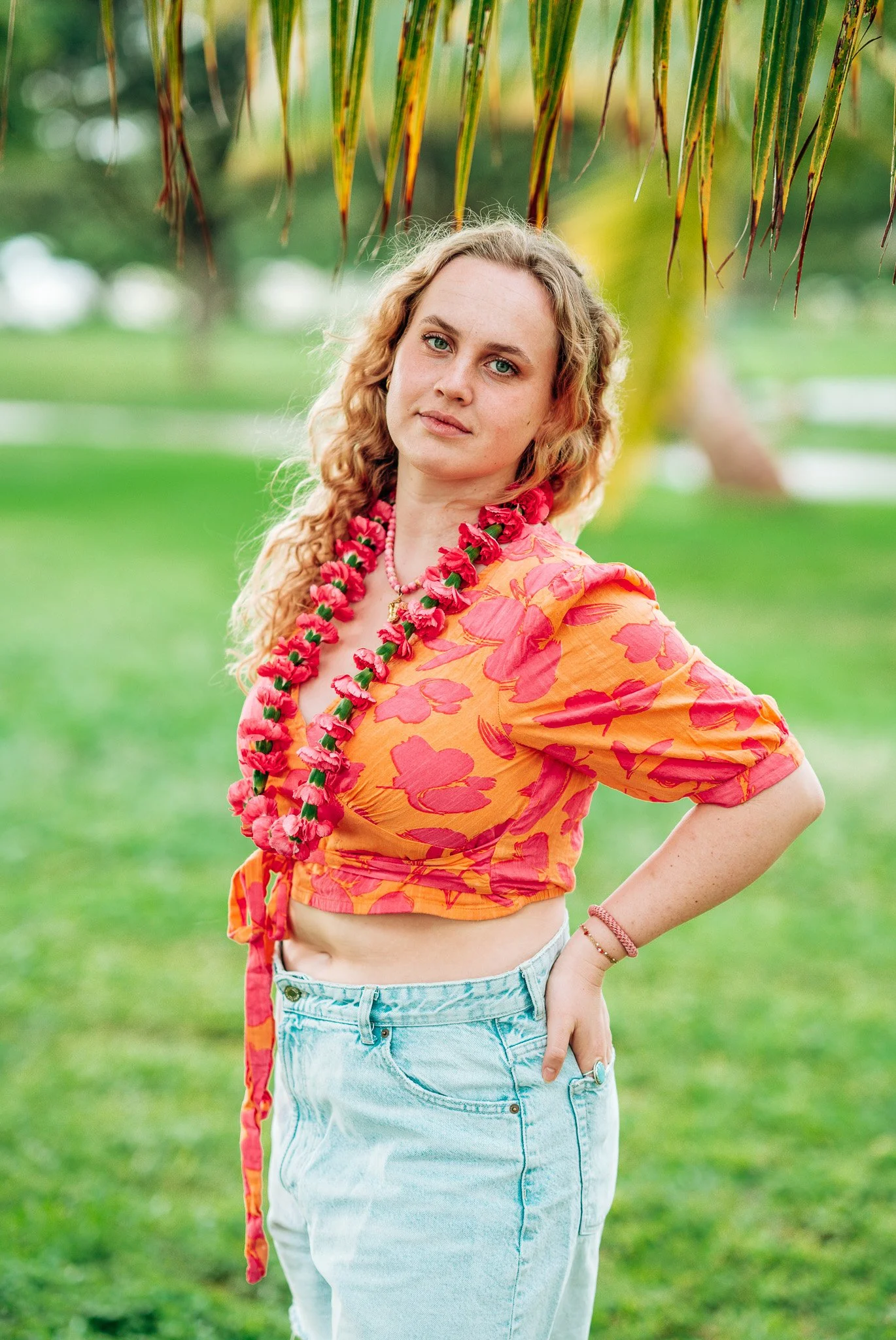
Dynamic portrait photography is not about relying on artificial tools. It is about understanding how to use space, structure, and texture to guide perception.
When you combine foreground layering, intentional framing, and visual rhythm, your images begin to feel alive in a way that editing alone cannot achieve. If your goal is to create portraits that feel immersive, emotional, and artistically refined, start with what is already in front of you! The camera is more powerful than you think.
If you are looking to book a portrait session that will yield interesting and engaging shots, look no further :)